
The field of nanofiber manufacturing has evolved rapidly over the past decade, and at the center of this transformation is the automated electrospinning machine. Once limited to lab-scale research, electrospinning has now become a scalable, industrial-ready process thanks to automation, precision controls, and smart manufacturing technologies.
For industries such as biomedical engineering, filtration, energy storage, and advanced textiles, choosing the right automated electrospinning machine can directly impact productivity, consistency, and product quality. At Electropintek, innovation-driven machine design focuses on meeting these modern manufacturing demands.
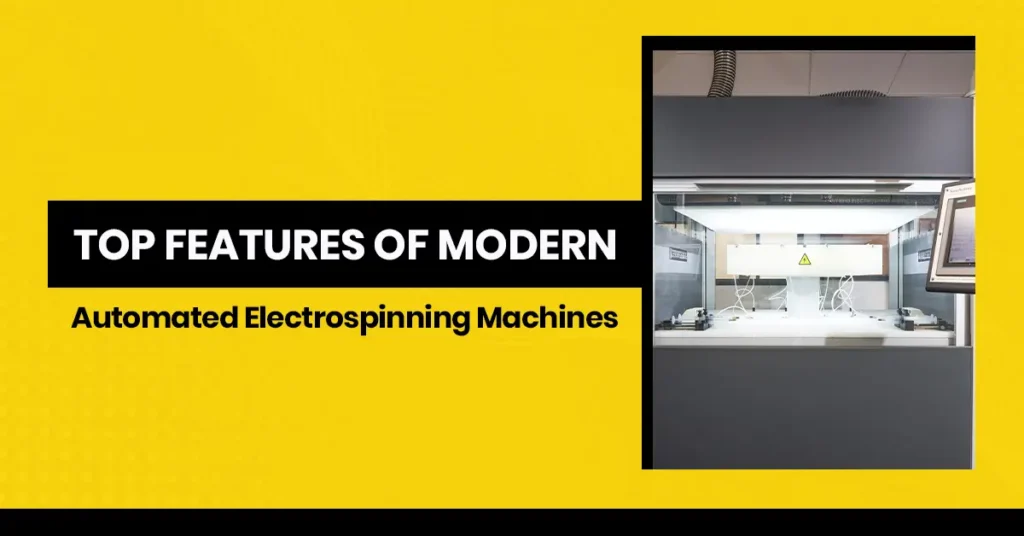
Below, we explore the top features that define today’s advanced automated electrospinning systems and why they matter for industrial success.
1. Fully Automated Process Control
One of the most defining features of a modern automated electrospinning machine is complete process automation. Manual electrospinning often leads to inconsistencies due to variations in voltage, solution flow, or environmental conditions.
Automated systems eliminate these issues by precisely controlling:
- Voltage levels
- Flow rate of polymer solutions
- Spinneret-to-collector distance
- Environmental parameters such as temperature and humidity
This high level of automation ensures uniform fiber diameter, consistent morphology, and repeatable results across every production batch.
2. Advanced Multi-Nozzle and Needleless Technology
Productivity is a major concern for industrial-scale nanofiber manufacturing. Modern automated machines are designed with multi-nozzle or needleless electrospinning configurations to dramatically increase output.
Key advantages include:
- Higher production rates without compromising fiber quality
- Reduced clogging and maintenance
- Uniform fiber deposition across large surfaces
An automated electrospinning machine equipped with these technologies is ideal for mass production in filtration, medical textiles, and functional coatings.
3. Intelligent Touchscreen Interface and Software Integration
Ease of use is another standout feature of modern systems. Today’s machines come with intuitive touchscreen interfaces that allow operators to control and monitor the entire electrospinning process.
Smart software integration enables:
- Real-time parameter adjustments
- Recipe storage for different materials
- Automated error detection and alerts
- Data logging for quality assurance and regulatory compliance
With a user-friendly interface, even complex electrospinning processes become simple, efficient, and highly repeatable.
4. Precision Fiber Diameter Control
In applications such as wound dressings, drug delivery systems, and battery separators, fiber diameter directly affects performance. Modern automated electrospinning machines offer exceptional precision when it comes to fiber size and distribution.
Through closed-loop feedback systems and sensor-based monitoring, manufacturers can:
- Achieve nano- to micro-scale fibers with high accuracy
- Maintain consistent fiber alignment and porosity
- Customize fiber properties based on application needs
This level of control ensures superior material performance and reduces material waste.
5. Scalable and Modular Design
Scalability is essential for companies transitioning from R&D to full-scale production. A well-designed automated electrospinning machine features a modular architecture that allows easy expansion.
Benefits of modular systems include:
- Adding nozzles or collectors as production demand grows
- Switching between lab-scale and industrial-scale configurations
- Customizing setups for different polymers and solvents
Electropintek’s modular approach ensures long-term flexibility and future-proof manufacturing.
6. Enhanced Safety and Enclosed System Design
Electrospinning involves high voltage and solvent-based solutions, making safety a top priority. Modern automated machines are built with fully enclosed chambers and advanced safety mechanisms.
Key safety features include:
- Interlocked doors and emergency stop systems
- Automated shutdown in case of parameter deviation
- Solvent vapor extraction and filtration
- Compliance with international safety standards
An enclosed automated electrospinning machine protects operators while ensuring stable environmental conditions for consistent fiber formation.
7. Environmental Control and Cleanroom Compatibility
Environmental stability plays a crucial role in electrospinning performance. Even minor fluctuations in humidity or temperature can affect fiber morphology.
Modern systems integrate:
- Built-in humidity and temperature control units
- HEPA filtration for cleanroom environments
- Anti-contamination designs for biomedical and pharmaceutical use
These features make the automated electrospinning machine suitable for highly regulated industries where precision and cleanliness are non-negotiable.
8. Energy Efficiency and Sustainable Operation
Sustainability is no longer optional in modern manufacturing. Today’s automated electrospinning systems are designed to reduce energy consumption while maximizing output.
Energy-efficient features include:
- Optimized power management for high-voltage systems
- Reduced solvent waste through precise flow control
- Durable components that minimize downtime and replacements
By investing in an energy-efficient automated electrospinning machine, manufacturers lower operating costs while supporting environmentally responsible production.
9. Versatility Across Multiple Applications
One of the biggest strengths of modern systems is their versatility. A single automated electrospinning machine can process a wide range of polymers, composites, and functional materials.
Applications include:
- Medical and biomedical nanofibers
- Air and liquid filtration membranes
- Energy storage components
- Smart and functional textiles
- Protective and industrial coatings
This flexibility allows companies to diversify product lines without investing in multiple machines.
Conclusion
The evolution of the automated electrospinning machine has redefined what’s possible in nanofiber manufacturing. With features like full automation, precision control, scalability, and enhanced safety, modern systems deliver unmatched efficiency and consistency.
For companies aiming to stay competitive in advanced material production, investing in a high-quality automated solution is a strategic move. At Electropintek, cutting-edge electrospinning technology is engineered to meet the demands of today’s industries while preparing manufacturers for tomorrow’s innovations.
As electrospinning continues to expand across sectors, the right automated machine will remain the cornerstone of scalable, high-performance nanofiber production.