
Clean air and pure water aren’t luxuries anymore they’re expectations. From hospitals fighting airborne pathogens to factories filtering microscopic dust, modern filtration systems carry a heavy burden. One technology quietly changing the game is electrospinning.
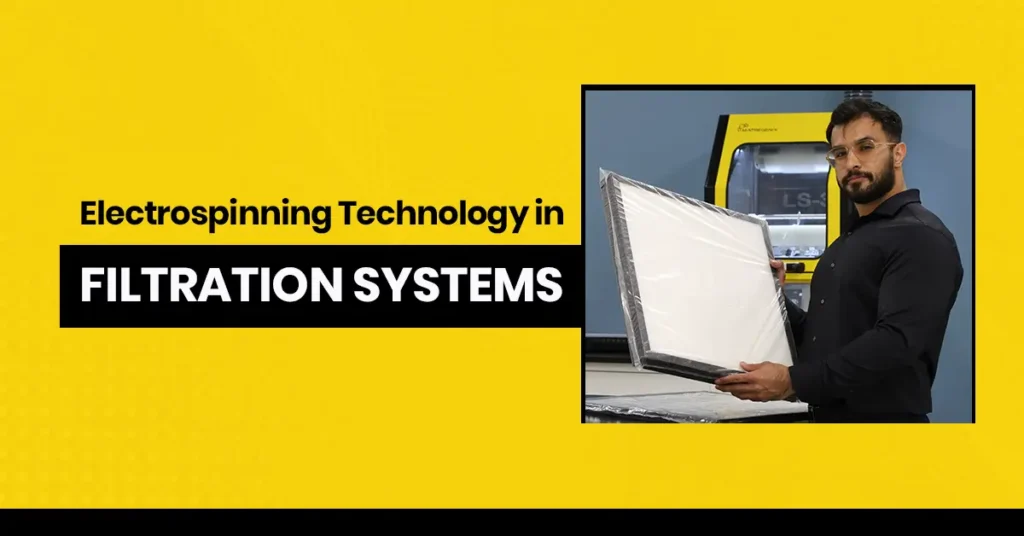
At the heart of this shift is the Electrospinning machine for filtration, a tool that crafts ultra-fine fibers capable of trapping particles most filters miss. In this guide, we’ll unpack how electrospinning works, why it’s transforming filtration, and how Electrospintek is helping industries build cleaner, safer environments.
Why Filtration Needs a Smarter Upgrade
Traditional filters rely on thicker fibers and dense mats. They do the job, sure but often at the cost of airflow, energy efficiency, or durability. As pollution grows more complex (think PM2.5, bioaerosols, and volatile compounds), filters must become more nimble and precise.
That’s where the Electrospinning machines for filtration steps in. By producing nanofibers thousands of times thinner than a human hair it creates filters with massive surface area and tiny pore sizes. Translation? Better capture of fine particles without suffocating airflow. It’s a rare balance of delicacy and performance.
What Is Electrospinning, in Plain English?
Electrospinning is a process that uses an electric field to pull liquid polymer into ultra-thin fibers. As the solvent evaporates, a wispy web of nanofibers forms on a collector. The result is a lightweight, porous membrane that’s surprisingly strong.
When manufacturers use an Electrospinning machine for filtration, they gain precise control over:
- Fiber diameter
- Pore size
- Layer thickness
- Material blends
This control lets engineers tailor filters for specific jobs air purification, water treatment, medical-grade filtration, and even odor capture. It’s bespoke filtration at scale.
Key Benefits of Electrospun Filters
1. Exceptional Particle Capture
Electrospun membranes snag ultrafine particles, including PM2.5 and bacteria. The dense yet breathable structure formed by an Electrospinning machine for filtration creates a labyrinth that particles struggle to escape.
2. High Airflow, Low Resistance
Unlike bulky traditional filters, nanofiber layers maintain airflow. This means HVAC systems work less, saving energy and extending equipment life.
3. Lightweight but Tough
These membranes are featherlight yet resilient. With proper backing layers, filters made using an Electrospinning machine for filtration can handle real-world wear and tear without crumbling.
4. Customizable Chemistry
Need antimicrobial properties? Hydrophobic behavior? Carbon-infused odor control? Electrospinning makes it possible to embed additives directly into the fibers.
Applications Across Industries
Air Filtration (HVAC, Cleanrooms, Masks)
Hospitals, labs, and commercial buildings rely on high-efficiency filters to keep occupants safe. Filters produced by an Electrospinning machine for filtration capture microscopic threats while maintaining comfortable airflow—crucial for cleanrooms and respirators alike.
Water Filtration and Treatment
Electrospun membranes can remove fine sediments, bacteria, and even oil droplets from water. Their tunable pores make them adaptable for pre-filtration or polishing stages in water treatment plants.
Industrial Dust and Fume Control
Factories dealing with metal fumes, fine powders, or chemical vapors benefit from electrospun filters that resist clogging. An Electrospinning machine for filtration helps build robust membranes that last longer in harsh conditions.
Medical and Biotech Environments
Sterile filtration is non-negotiable in healthcare. Electrospun membranes support sterile air flow in operating rooms and are used in protective equipment, where precision filtration is a must.
How Electrospintek Elevates Filtration Manufacturing
Electrospintek doesn’t just sell equipment they engineer outcomes. Their Electrospinning machine for filtration solutions are designed for consistency, scalability, and industrial reliability. Whether you’re prototyping in a lab or running a full production line, Electrospintek’s platforms help you dial in fiber morphology and throughput with confidence.
Why teams choose Electrospintek:
- Process Stability: Consistent fiber quality across long production runs
- Scalable Systems: From R&D benches to industrial roll-to-roll lines
- Material Flexibility: Polymers, composites, and functional additives
- Expert Support: Setup guidance, training, and optimization
In short, Electrospintek helps you go from concept to clean-air reality without guesswork.
Designing a High-Performance Filter: What to Consider
When deploying an Electrospinning machine for filtration, smart design choices matter. Here’s a quick checklist:
- Fiber Diameter: Smaller fibers = better capture, but balance with airflow
- Layer Architecture: Multi-layer designs boost durability
- Polymer Selection: Choose materials for chemical resistance or biodegradability
- Surface Treatments: Add antimicrobial or hydrophobic coatings when needed
- Backing Media: Pair nanofibers with sturdy substrates for longevity
This design freedom is what makes electrospinning feel almost artisanal yet it’s fully industrializable.
Sustainability: Cleaner Air, Lighter Footprint
Filtration tech shouldn’t trade environmental health for human health. Many teams now pair the Electrospinning machine for filtration with biodegradable polymers or solvent-recovery systems to reduce waste. Because electrospun filters can be thinner and more efficient, they also require less raw material per unit of performance. That’s a subtle but meaningful win for sustainability.
Common Myths (Busted)
“Electrospinning is only for labs.”
Not anymore. Modern Electrospinning machine for filtration platforms are production-ready and scalable.
“Nanofiber filters clog too fast.”
Properly designed nanofiber layers maintain airflow longer due to their high porosity.
“It’s too expensive.”
When you factor in energy savings, longer filter life, and performance gains, the ROI often pencils out.
The Road Ahead: What’s Next for Filtration?
The future looks promising and a bit audacious. Expect to see:
- Smart filters with sensors embedded in electrospun layers
- Functional nanofibers that neutralize pathogens on contact
- Hybrid membranes combining electrospun layers with carbon or ceramic media
- On-demand manufacturing using compact Electrospinning machine for filtration setups
As regulations tighten and air quality standards rise, electrospinning will move from “innovative” to “inevitable.”
Final Thoughts
Filtration is no longer about blocking big particles and hoping for the best. It’s about precision, breathability, and resilience in a world of invisible threats. The Electrospinning machine for filtration empowers manufacturers to design filters that are lighter, smarter, and more effective without sacrificing airflow or efficiency. With Electrospintek expertise and industrial-grade platforms, stepping into the future of filtration isn’t a leap of faith it’s a practical next step.
If your filtration systems need a serious upgrade, electrospinning might just be the quiet revolution you’ve been waiting for.